
NCFU scientists have developed a new microcapsulation technology to protect beneficial bacteria
Category: Main
Russian scientists from the North Caucasus Federal University have developed a technology for delivering probiotics in fermented milk products in the form of microcapsules that protect beneficial bacteria at key stages: from production and storage to passage through the acidic environment of the stomach and delivery to the large intestine.
The solution allows for the stable viability of beneficial microorganisms and the production of fermented milk products with a long shelf life and additional enrichment with probiotic cultures. A group of scientists from the Faculty of Food Engineering and Biotechnology named after Academician A.G. Khramtsov NCFU, led by Alexey Lodygin, Doctor of Technical Sciences, continues to develop highly effective methods for microcapsulating starter cultures of microorganisms, probiotics and lactose-fermenting yeast within the framework of the strategic academic leadership program Priority 2030.
— Our task is not just to create a product, but to contribute to ensuring Russia's food independence and the development of import–substituting technologies. Our scientists, developing the scientific school of Academician Khramtsov, have developed a technology that changes the approach to the production of probiotic products. This opens up new opportunities for the food industry to produce fermented dairy products with a long shelf life and guaranteed probiotic effect. In a broader sense, our work is a contribution to the bioeconomy of the country and the development of domestic biotechnologies, increasing added value in the agro–industrial complex," said Professor Tatiana Shebzukhova, Rector of NCFU.
In the context of the growing global demand for functional foods enriched with probiotics, the key problem remains the preservation of the viability of beneficial bacteria at all stages. The first task is to maximize the viability of lactobacilli during the production process. Traditional technologies do not provide the necessary stability of probiotics, which limits the creation of products with a long shelf life and proven effectiveness. Microencapsulation is a promising method for improving the technology of production of fermented milk products with a high content of probiotic cultures.
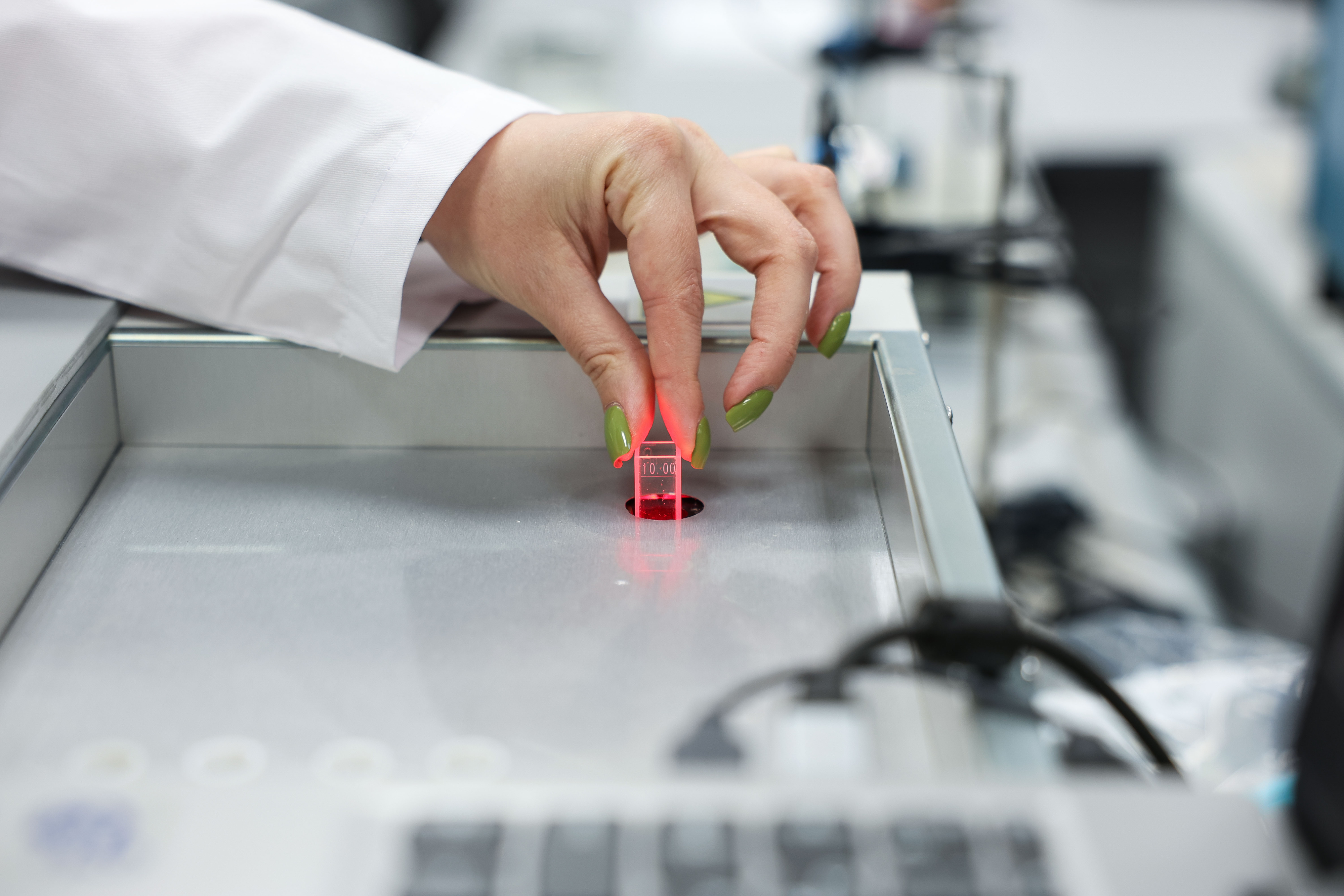
— We have experimentally developed a technology for the production of freeze-dried microcapsules with a size of 250 ± 12 microns, at the level of household comparison, this is the size of a grain of semolina. Inside the microcapsule is a probiotic culture of Lactiplantibacillus plantarum, which retains a high concentration (more than 107 CFU/g) for 300 days in dry form. The next stage of our work was the development of technological parameters for the production of fermented milk products with the addition of microcapsulated lactobacilli, first in the laboratory, and then at a dairy plant," said one of the authors, Rosa Grigoryan, an employee of the NCFU Food and Industrial Biotechnology Research Laboratory.
The developed biotechnology is a ready-made import-substituting solution for the dairy industry, ensuring the production of fermented milk products with guaranteed probiotic effect and extended shelf life. For example, you can increase the shelf life of a product from 3 to 12 days by slowing down the post-oxidation processes.
In June 2026, NCFU hosted an international scientific and practical conference dedicated to modern developments in the field of biotechnologies of new-generation food products to mark the 90th anniversary of Academician Khramtsov.
For reference: the development is designed in the form of technical specifications (TU 10.51.56.444-002-21986117-2025 ) and passed pilot testing at JSC "Stavropol Dairy Plant". The study was carried out within the framework of the Priority 2030 project. The creation of the technology was supported by a scholarship from the President of the Russian Federation for students studying abroad (based on the Research Institute of Applied Problems of Biology of the Belarusian State University and the Institute of Microbiology of the National Academy of Sciences of Belarus, 2024). One of the authors, Rosa Grigoryan, defended her thesis for a Candidate of Technical Sciences on the topic "Development of biotechnology of fermented milk products using microencapsulated cultures probiotics."